
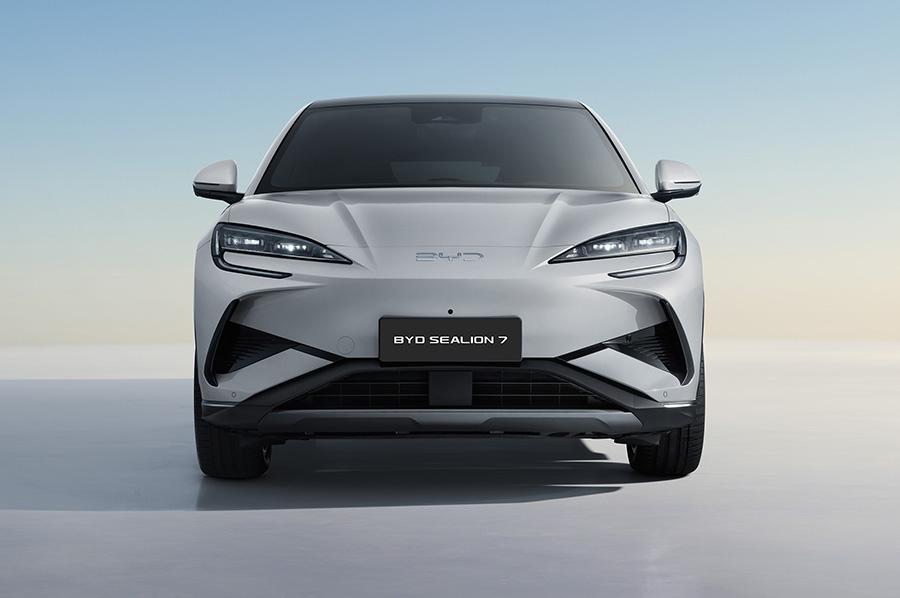
October was a busy month for BYD. The Chinese carmaker reported 490,168 new-energy vehicle sales, enough to make it the company’s strongest month of 2026. But a closer look at the figures reveals something rather unusual.
Its electric cars are gaining buyers. Its plug-in hybrids aren’t.
BYD sold 305,743 fully electric passenger cars during October, compared with 222,559 in the same month last year. That’s an increase of more than 37 percent, and the first time this year that monthly electric passenger car sales exceeded 300,000.

Hybrids went the other way.
Only 177,382 plug-in hybrid passenger cars were sold, down from 214,297 in October 2025. The difference is considerable for a company that has spent years promoting both technologies.
It doesn’t mean hybrids are disappearing.
They remain an important part of BYD’s business, particularly in markets where charging infrastructure is still developing. Nevertheless, October’s numbers suggest that fully electric models are becoming increasingly important to the manufacturer’s sales.
There’s another figure worth mentioning.
BYD exported 170,194 new-energy vehicles during the month, more than twice as many as a year earlier. International markets are clearly taking a larger share of the company’s output.
And that’s happening at an interesting time.
Despite October’s strong result, BYD’s worldwide sales for the first ten months reached 3,621,744 vehicles. That’s 2.16 percent below the corresponding period of 2025.
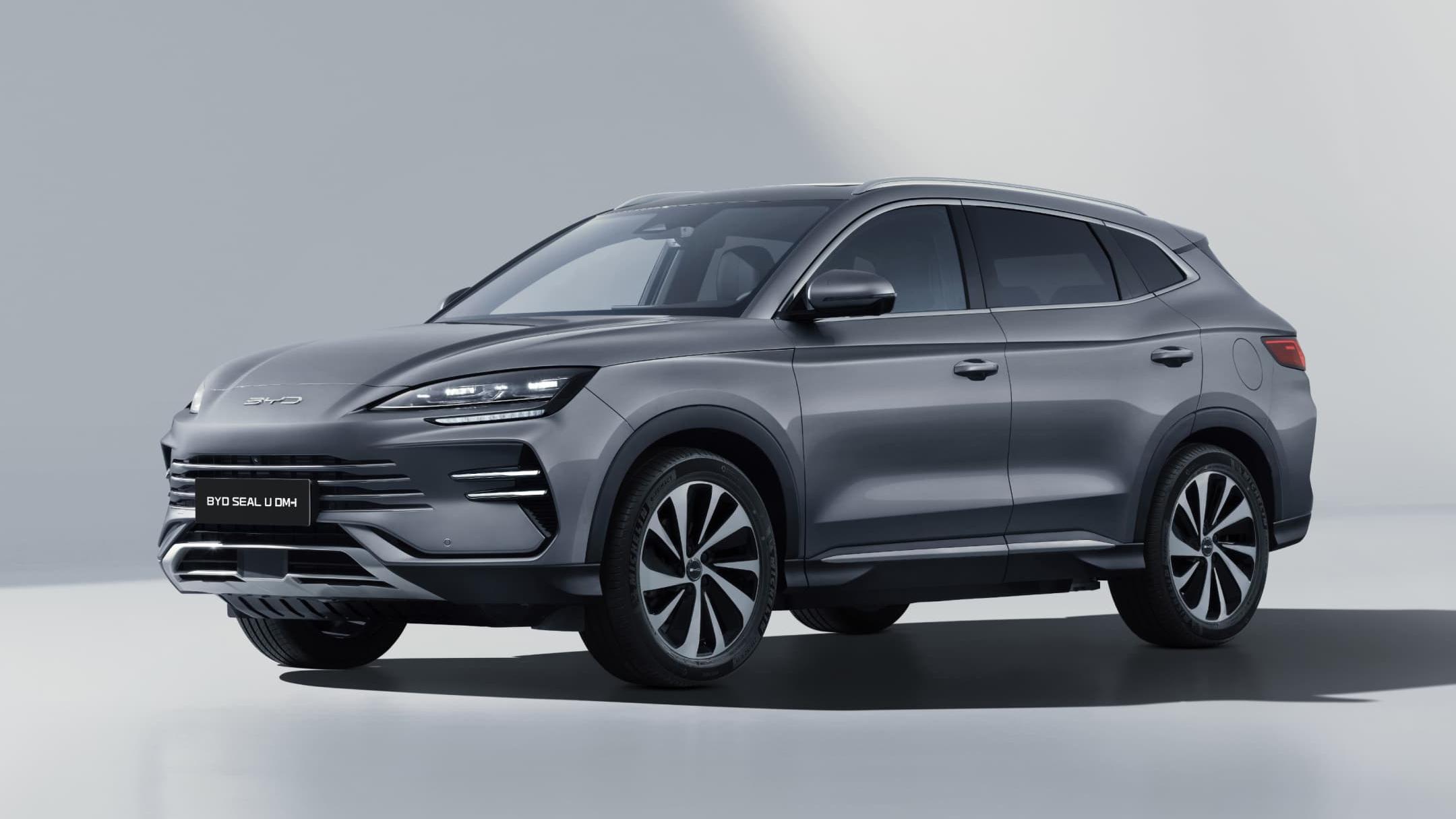
In other words, the company still has ground to recover.
Production figures were close to monthly sales. BYD manufactured 488,104 new-energy vehicles in October, including 304,424 electric passenger cars and 176,788 plug-in hybrids.
Commercial vehicles contributed another 7,043 sales, with buses accounting for 600 units.
The changing balance between electric cars and hybrids deserves attention because BYD continues to invest in both. Buyers can choose between vehicles that run entirely on electricity and models that combine a battery with a petrol engine.
October doesn’t tell us why more customers chose the former.
New models, local incentives, pricing and availability may all influence demand. Nor can one month’s figures establish whether the decline in hybrid sales will continue.
Still, the contrast is hard to ignore.
BYD is exporting more vehicles and selling considerably more electric cars than it did a year ago. Yet its overall ten-month sales remain lower, and its plug-in hybrid business has lost momentum.
That’s the less obvious story behind an otherwise impressive October.