Three years ago, BYD was still a new name to most British car buyers. In September 2026, it registered 20,129 cars in a single month and finished as the UK’s second-largest car manufacturer.
That’s a fairly quick change of scenery.
The figure represents an 80 percent increase compared with September last year and gave BYD a 5.76 percent share of the UK market. More importantly, this wasn’t simply a good month buried somewhere in the lower half of the sales table. BYD finished second overall.
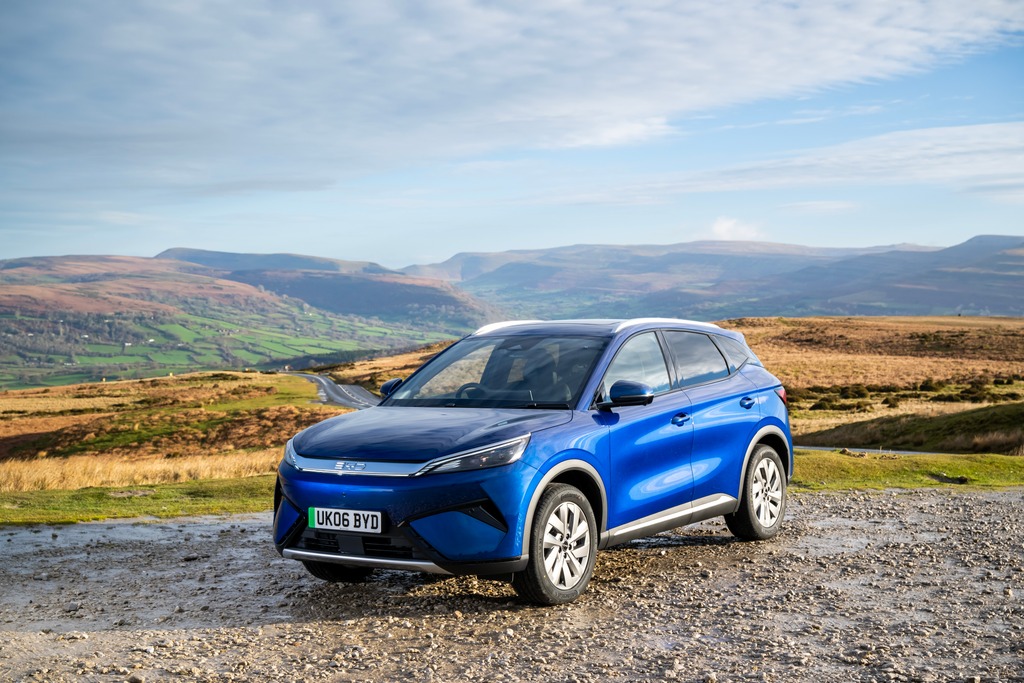
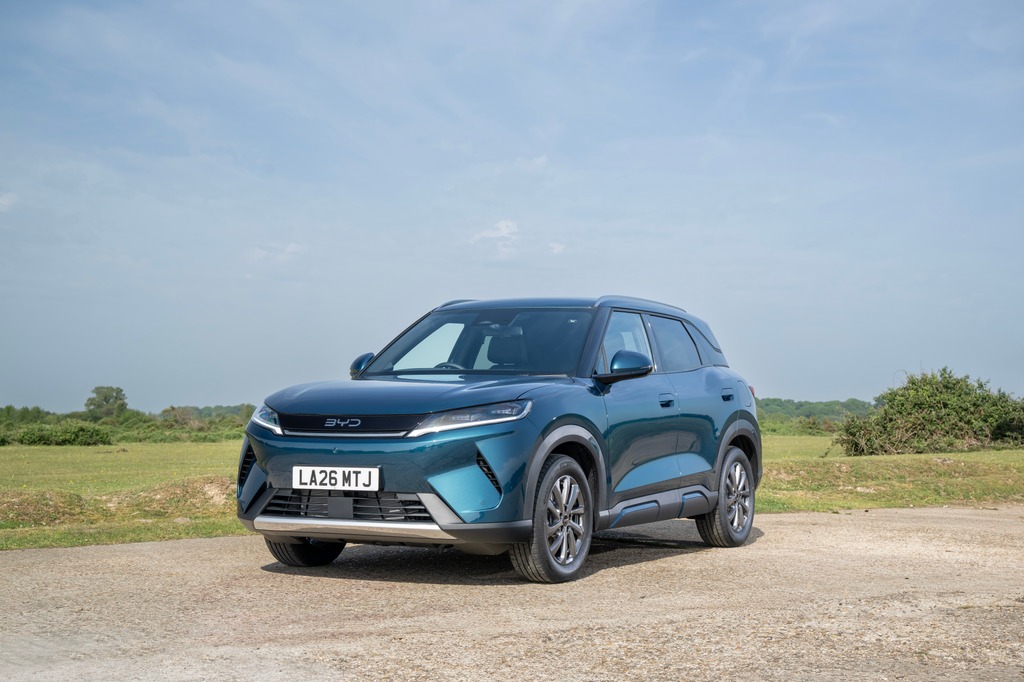
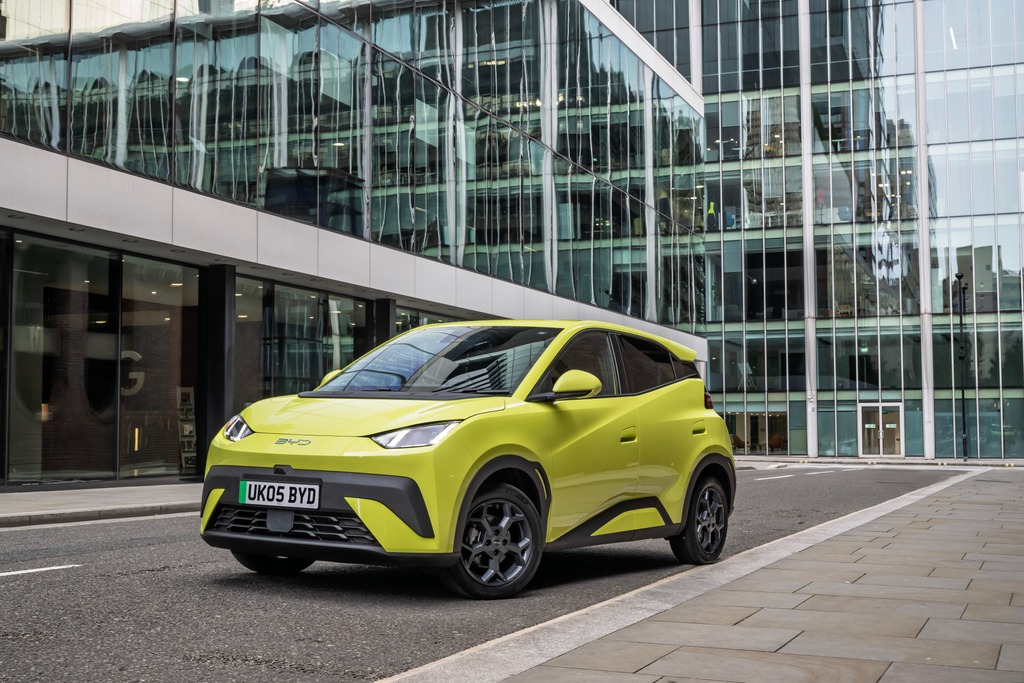
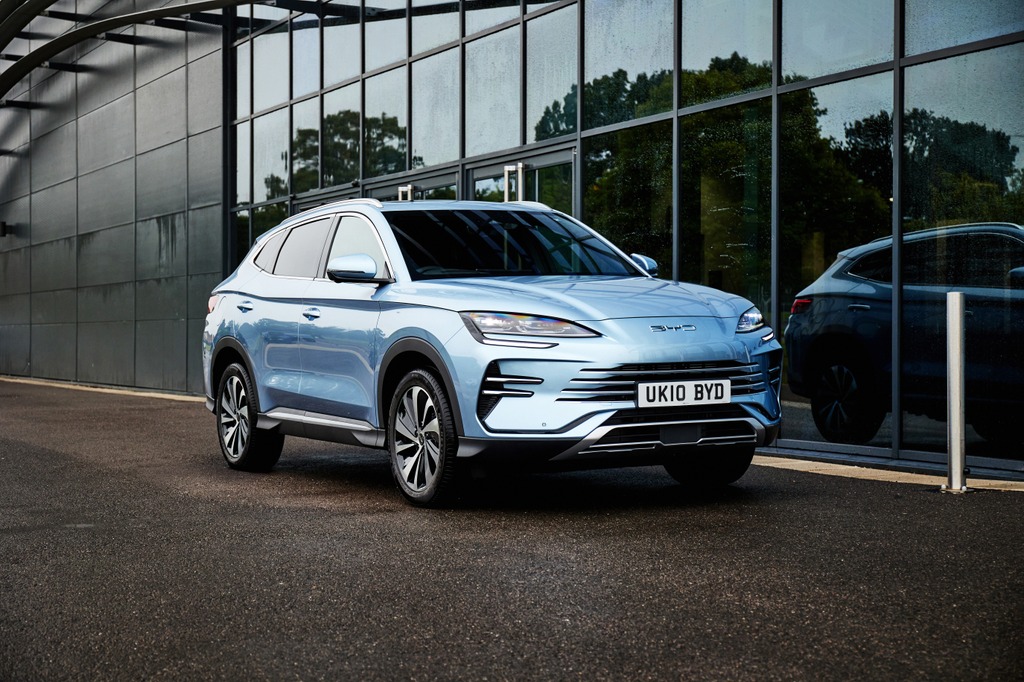
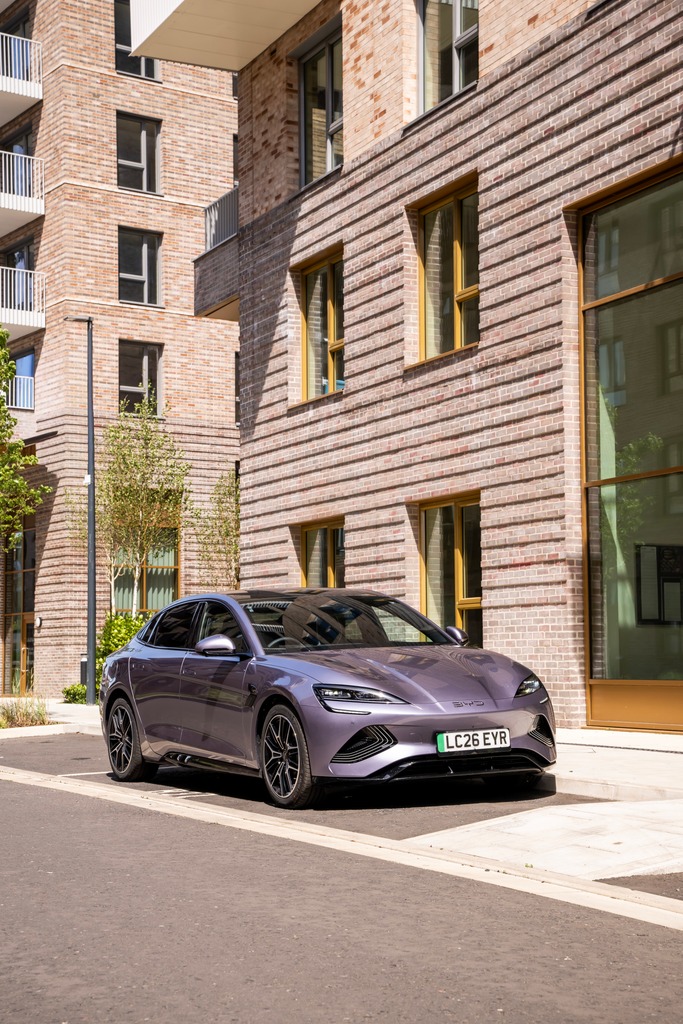
The SEAL U DM-i remains the company’s best-selling model in Britain, with the ATTO 2 and SEALION 7 also contributing to the result. That mix tells you something about why BYD is growing so quickly.
It isn’t relying on one car.
The European range has expanded rapidly from the original ATTO 3 into small EVs, saloons, SUVs, estates and an increasing number of plug-in hybrids. BYD is now preparing another push at the Paris Motor Show, where its stand will include the ATTO 2 DM-i, SEALION 5 DM-i, SEAL U DM-i, DOLPHIN G DM-i, ATTO 3 EVO, SEAL, SEALION 7 and SHARK. There’s another new model coming at the show too, although BYD isn’t saying what it is until October 12.
The hybrids are probably worth watching most closely.
BYD arrived in Europe with an EV-heavy image, but its DM-i plug-in hybrids remove one of the easiest reasons for a buyer to ignore a Chinese brand: not wanting a fully electric car. Someone interested in lower running costs but unwilling to depend entirely on public charging suddenly has several BYDs to choose from.
And Britain appears increasingly comfortable buying them.
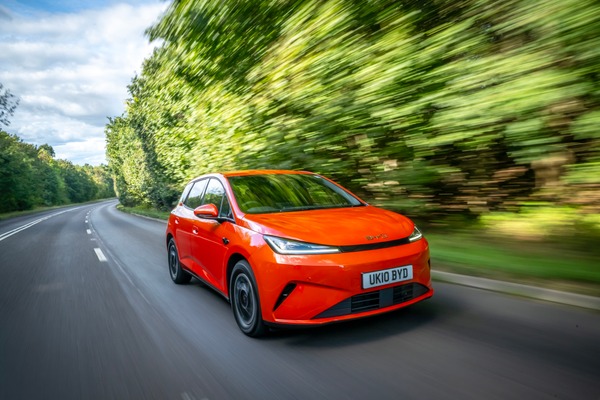
A single strong registration month doesn’t mean BYD has permanently become Britain’s second-largest manufacturer. September is an important plate-change month in the UK and registrations can move around considerably from one period to another.
Twenty thousand cars still have to come from somewhere.
The result also follows BYD passing 100,000 cumulative UK registrations earlier this year, only three years after entering the market. At that point its British retail network had already expanded to 143 locations.
That dealer expansion matters. Competitive specifications and low prices can get people interested, but selling cars at this sort of volume requires somewhere to test them, finance them and bring them back when something needs fixing.
BYD now has that infrastructure growing alongside the cars.
Europe’s established manufacturers have spent years wondering how seriously they should take Chinese competition. Britain’s September numbers offer a fairly simple answer. Quite seriously.